ChatGPT Advertising for Businesses: Is it worth it in 2026?
Quick answer: Yes, with the right expectations. ChatGPT advertising (OpenAI Ads) launched self-serve in 2026 and is still an early-stage platform. Costs are lower than mature channels like Google Ads, but targeting is limited to a national level and the ad format works differently to what most businesses are used to. Below, Sodafizz shares an honest first look at the platform and what it means if you're considering it for your business.
A new advertising platform launches with a wave of hype behind it every year or two. Most of us in this industry have learned to take that hype with a grain of salt. But when OpenAI opened up self-serve advertising inside ChatGPT earlier this year, we didn't just read the press release. We got in, built real campaigns, and started figuring out what actually works.
We won't be giving away our entire playbook here (some of that is reserved for our clients), but we did want to share an honest first take on a channel we think is worth your attention, and what it could mean for your business.
What Is ChatGPT Advertising?
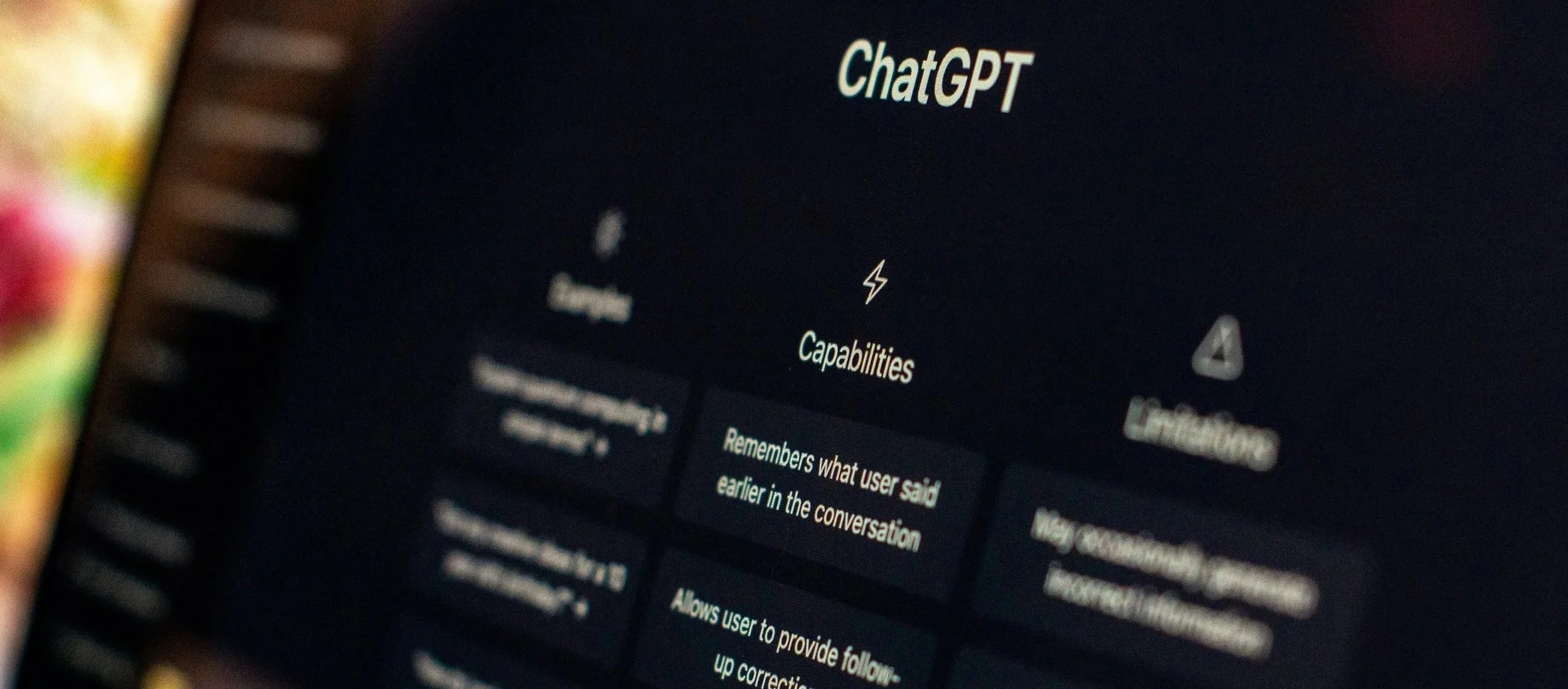
ChatGPT advertising, officially called OpenAI Ads, lets businesses run sponsored placements inside ChatGPT conversations. OpenAI opened the platform up to self-serve advertisers in 2026, meaning any business can now set up and run campaigns without a large minimum spend. Ads appear as a clearly labelled sponsored result below a ChatGPT response, based on the topic and intent of the conversation rather than a traditional keyword search.
Is ChatGPT Advertising Cheaper Than Google Ads Right Now?
Anyone old enough to remember the early days of Google AdWords will remember just how cheap clicks used to be, before every business figured out search advertising was worth fighting for. OpenAI Ads isn't quite that cheap, and costs and competition are already climbing, but it's still a young platform, and young platforms tend to reward whoever shows up first.
Right now, fewer brands are in the auction than on the channels you're probably already using. For businesses willing to test now rather than wait for everyone else to catch up, that can mean more efficient results while the competition is still thin.
Can You Target Customers by Location on ChatGPT Ads?
If you're used to fine-tuned targeting on other platforms, this will feel like a step backwards at first. Location targeting currently sits at a national level in most markets, so a business can reach an entire country but can't yet drill down to a city or postcode - unless you are Stateside.
It's not a dealbreaker, but it does change how a campaign needs to be built. When you can't lean on tight geographic targeting to do the narrowing for you, the strategy and the messaging have to pick up the slack. That's been an interesting problem to work through.
Do Images Matter in ChatGPT Ads?
Less than you'd expect. The ad format does include an image, but it shows up quite small inside a ChatGPT conversation, more of a footnote than a focal point. On most platforms we work with, a strong image does most of the heavy lifting. Here, the words carry the weight, and the image is really just along for the ride.
It's a useful reminder that a new channel isn't just a new place to run the same ads. It plays by its own rules, and the creative approach needs to change with it.
Is ChatGPT Advertising Similar to Google Performance Max?
In some ways, yes. If you've run a Google Performance Max campaign, the idea of describing your ideal customer in plain language rather than bidding on exact keywords will feel familiar. OpenAI has something similar, called context hints.
The underlying logic carries across, but writing for a conversational AI is a different skill to writing for a search engine, and it's one we've been sharpening over the last few months. It's a small detail, but it's often the difference between a campaign that performs and one that just runs.
Should Your Business Advertise on ChatGPT?
Our early answer is yes, as long as expectations are set properly from the start. This isn't a set-and-forget channel. It rewards a team that understands how auctions work, knows how to write for a brand new format, and can make good calls even when the data is still thin on the ground.
That's the kind of work we do every day, and we're already putting what we've learned to use for our clients.
We're still early in our own journey with OpenAI Ads, and we'll keep sharing what we find as the platform grows up. If you're weighing up whether ChatGPT advertising deserves a slice of your marketing budget, we'd love to talk it through with you. You can find out more about how we approach Open AI advertisingon our site.
Frequently Asked Questions
-
ChatGPT advertising, or OpenAI Ads, is a self-serve platform that lets businesses run sponsored placements inside ChatGPT conversations, shown below a relevant AI response.
-
Costs are currently lower than mature channels like Google Ads, though they're rising as more businesses join the platform. Early movers are generally seeing more efficient results while competition is still thin.
-
Not yet. Location targeting in Australia is currently limited to a national level, so campaigns need to rely more on strategy and messaging rather than tight geographic targeting.
-
Not exactly, but the two share some DNA. Both let advertisers describe their ideal customer in plain language rather than bidding on exact keywords, though writing for a conversational AI platform is a different skill to writing for a search engine.
-
For businesses with the budget to test and realistic expectations, yes. It rewards advertisers who understand auction dynamics and are willing to adapt their creative and targeting approach to a genuinely new format.